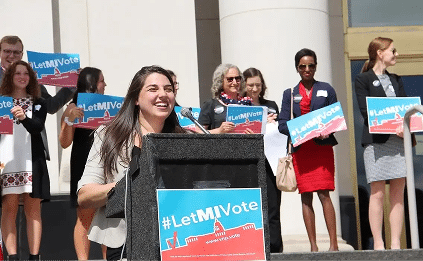
People Building Power
In 2016, a single Facebook post by concerned citizen Katie Fahey (now Executive Director of The People) turned into an avalanche of grassroots energy to end gerrymandering in the state. Ordinary people showed up. On election day in 2018, Ballot Question #2 passed.
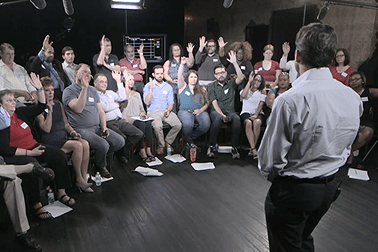
National Therapy — The Luntz Sessions
In the spring of 2018, renowned Republican pollster Frank Luntz and The Forum founder Andrew Shue traveled across America to ten states, conducting emotionally-charged cross-partisan focus groups in each state. The three-hour conversations revealed the willingness of everyday citizens to do what it takes to bridge our divides. Luntz dubbed it "national therapy" — where both parties must choose to work at it – and they did.

Convening a People's Assembly
Inspired by what happened in Michigan, Andrew Shue partnered with Katie Fahey to bring 100 representative delegates from across the country to Washington, D.C., to explore the future Americans actually want. That 100-member House of Delegates, forged in 2019, still convenes today. It continues to guide the work forward.
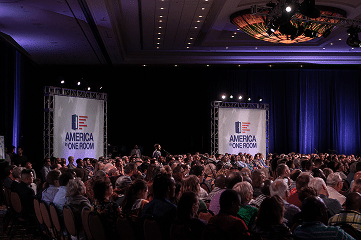
Powerful Proof That the Model Can Scale
That same year, Prof. James Fishkin's Stanford Deliberative Democracy Lab and the Helena Group Foundation brought 435 representative Americans to Dallas, TX for three days of deliberation on four complex policy questions. Not only did delegates find common ground, they liked each other better afterward. The model worked. And it could scale.
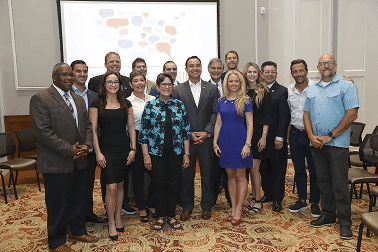
Scaling Deliberation and Connection with Technology
In 2022, The People launched Meeting of America in greater Lexington, KY, bringing participants across 18 urban and rural counties into online deliberative forums to talk about American values and their hopes for the future of their region. Local media, mayors, and civil society leaders took part. Subsequent projects in Lexington (CivicLex) and Bowling Green (What Could BG Be) have made citizen deliberation a recurring mode of self-governance across Kentucky.
Making Deliberation Repeatable, Affordable, and Habitual
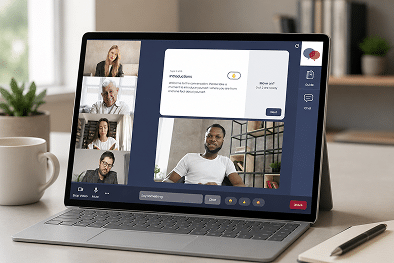
Prof. Larry Lessig of Harvard's Berkman Klein Center raised a defining question: how do we give Americans everywhere open-source capabilities to deliberate, find consensus, and take collaborative action, at any scale, at any cost? That question became Deliberations.US and Frankly.org. Frankly launched in closed beta in September 2024 and was fully open-sourced in April 2025.
Taking the Work to State Level: Our Laboratories of Democracy
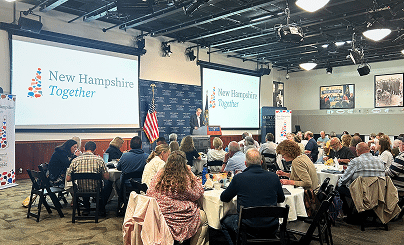
In summer 2024, The People launched New Hampshire Together, in partnership with New Hampshire Listens, Citizens Count, and Open Democracy, to prove that state-level deliberation and cross-partisan action is possible. During a three-day representative civic assembly, 50 Granite Staters identified four common-ground positions and brought them directly to their state legislature. Two citizen-backed bills are now moving through the New Hampshire State House.
Engaging Thousands on an AI-Powered Platform
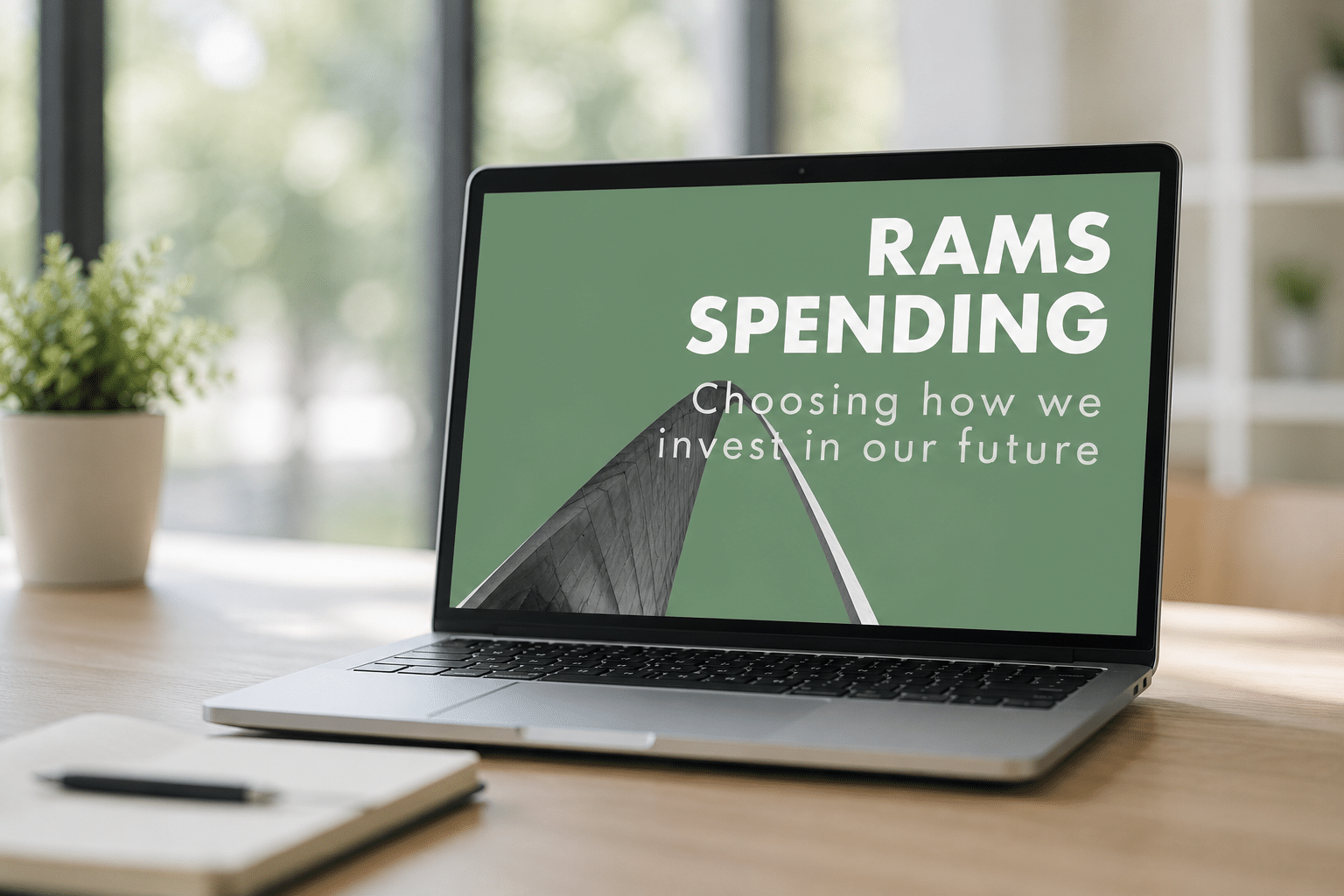
In 2025, the Alderman of St. Louis launched "Speak Up St. Louis" on the GoVocal deliberative platform (the same technology underpinning The Forum), to collect and deliberate on thousands of suggestions from city residents about how to allocate a $250 million settlement award. AI sensemaking surfaced resounding support for improvements to the city's aging water infrastructure, and related spending proposals are now advancing through the city's budget allocation process.
The Forum: Putting It All Together
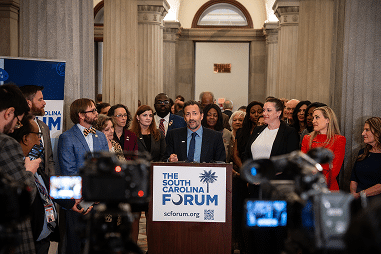
In 2026, residents of Nevada, New Hampshire, and South Carolina are participating by the thousands in an unprecedented opportunity: a year-long deliberative process, built on a decade of proof, designed to culminate in cross-partisan, citizen-backed legislation to be introduced into each state's legislature in early 2027.



